
How to Choose the Right Catering Style for Your Event: Buffet, Sharing, Canapés or Plated?
One of the biggest decisions in event catering isn’t just what you’ll serve, it’s how you’ll serve it. The format affects everything: how guests move around the space, when people eat, how relaxed the atmosphere feels, and how smoothly the day runs behind the scenes.
We’re often asked, “What’s best, buffet or plated?” or “Are canapés enough?” The honest answer is that the right choice depends on your venue, timings, guest mix, and the sort of occasion you’re hosting. Below is how we help clients choose a service style that feels natural for the event, whether it’s a private celebration, a wedding day, or a business gathering. If you’re at the early planning stage, you can also explore our catering services and our wider guide on planning an event and getting catering right.
What Should You Consider Before Choosing a Catering Style?
Before you land on a buffet, sharing food, canapés, or a plated meal, it’s worth stepping back and looking at a few practical factors.
Venue layout and flow
Do guests have room to move freely? Buffets and stations need space for people to queue without blocking doorways. Plated and sharing styles need enough table space for serving dishes and staff movement.
Arrival times
If guests arrive in waves, a buffet or grazing style can cope better than a strict sit-down service. If everyone is seated at once, plated service can be beautifully smooth.
Formality and atmosphere
A plated meal often feels more formal and structured, while sharing food feels sociable and relaxed. Canapés create a “mingle and chat” atmosphere, especially for receptions.
Timings and schedule
If your event has speeches, presentations, or set moments, you’ll want a service style that supports the timetable rather than fighting it.
Dietary requirements
Most events include a mix of dietary needs. The best approach is choosing a format where those needs are catered for clearly and confidently, without making the whole menu feel complicated. Our guide to catering for mixed dietary needs without complicating your event is useful if you’re trying to plan inclusively without creating lots of separate meals.
When Does a Buffet Work Best?
Buffets are popular for a reason. They’re flexible, they suit a wide range of tastes, and they work well for events where guests are not all eating at the exact same time.
A buffet tends to suit:
- relaxed celebrations where people mingle
- workplace events with staggered arrivals
- family gatherings where guests prefer choice
- venues where a formal seated meal doesn’t fit the tone
The main thing to get right is layout. A buffet can feel effortless when there’s space to move, but stressful when it creates bottlenecks. If the room is narrow, we’ll often recommend multiple serving points, a logical queue route, or a slightly different format (such as sharing platters to each table) to keep things flowing.
It’s also worth thinking about temperature and timing. Hot food needs safe holding and sensible replenishment, and cold dishes need to stay fresh across the service window. The UK Food Standards Agency guidance is clear that hot food should be held at 63°C or above, with limited exceptions if food is displayed out of hot holding for a short time.
If you’re planning in spring and early summer, our guide to planning spring event catering is a helpful read alongside buffet planning, especially when you’re balancing indoor and outdoor spaces.
Why Choose Sharing Platters or Family-Style Service?
Sharing service sits nicely between a buffet and a plated meal. Guests still feel looked after and seated, but the meal feels more relaxed and sociable. It’s a great option when you want the food to be part of the table conversation, rather than a formal “course, clear, course” schedule.
Sharing food can work brilliantly for:
- long, relaxed celebrations
- weddings where you want a warm, informal vibe
- events where you want people seated, but not too formal
- venues where a buffet queue would be awkward
The practical considerations are mostly about table space and pacing. You’ll need room for platters, serving spoons, and clearing, and it helps to think about how the meal progresses so guests don’t feel rushed or left waiting.
Are Canapés Enough, and When Do They Work Best?
Canapés are ideal for receptions, standing events, and occasions where you want guests to move around and chat. They’re particularly popular for networking-style corporate events and wedding drinks receptions.
The common mistake is assuming canapés alone will carry the whole event. If guests are drinking, or the reception runs long, people will need enough food to feel comfortable. Some venues and planners suggest rules of thumb like a few pieces per person for shorter receptions and more for longer ones.
In practice, we plan canapé service around:
- how long the reception lasts
- whether a meal follows
- the time of day (a late afternoon reception needs more food than a post-lunch one)
- the guest mix and how “meal-like” you want it to feel
For business events, you’ll often get better results when canapés are paired with something more substantial later, even if that’s just a light buffet or a few bigger bowl-style dishes. If you’re planning a workplace gathering, our corporate and office catering options page gives a good overview of formats that work well for professional settings.
When Is a Plated Meal the Right Choice?
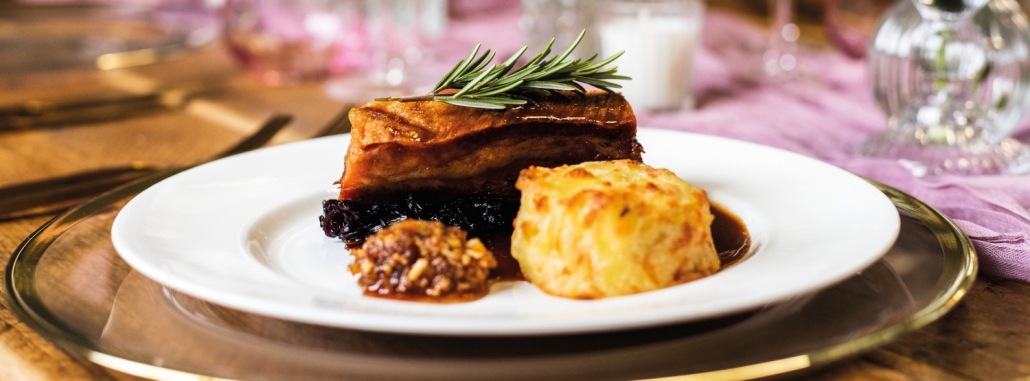
Plated service is the most structured option. It’s often the best fit when you want a clear timetable and a “sit, eat, enjoy” rhythm to the event. It suits weddings, formal dinners, and any occasion where guests are seated together and you want the food to feel like a centrepiece moment.
A plated meal works well when:
- the event has a defined schedule
- you want consistent presentation and pacing
- you have the staffing and venue setup to support smooth service
The key practical considerations are service time, kitchen access, and logistics. Plated meals generally require more coordination, because everything lands at once and needs to be hot, consistent, and well-timed. When it’s planned properly, it can feel seamless for guests.
If you’re planning a wedding or a more formal private celebration, our wedding and private event catering page can help you picture what different formats look like in real life.
What Should You Ask Your Caterer Before You Decide?
Even if you have a preferred format in mind, it’s worth asking a few practical questions before you lock it in, because small details make a big difference on the day. We’ve put together a dedicated checklist of questions to ask your caterer before booking, but in general you’ll want clarity on:
- what’s included in the service (staffing, setup, clear down)
- how dietary requirements are handled and communicated
- how the caterer will manage flow in your venue
- timings, holding, and how food stays at the right temperature
- what you need to provide on site (tables, power, access)
Choosing What Fits Your Event Best
The best catering style is the one that suits the pace of your event, the layout of your venue, and the way your guests like to socialise. Buffets offer flexibility and choice, sharing food adds warmth and ease, canapés are perfect for mingling, and plated meals bring structure and polish.
If you’re weighing up options and want a steer based on your venue, timings, and guest list, you can get in touch with us and we’ll help you choose a format that feels natural and runs smoothly.


Leave a Reply
Want to join the discussion?Feel free to contribute!