
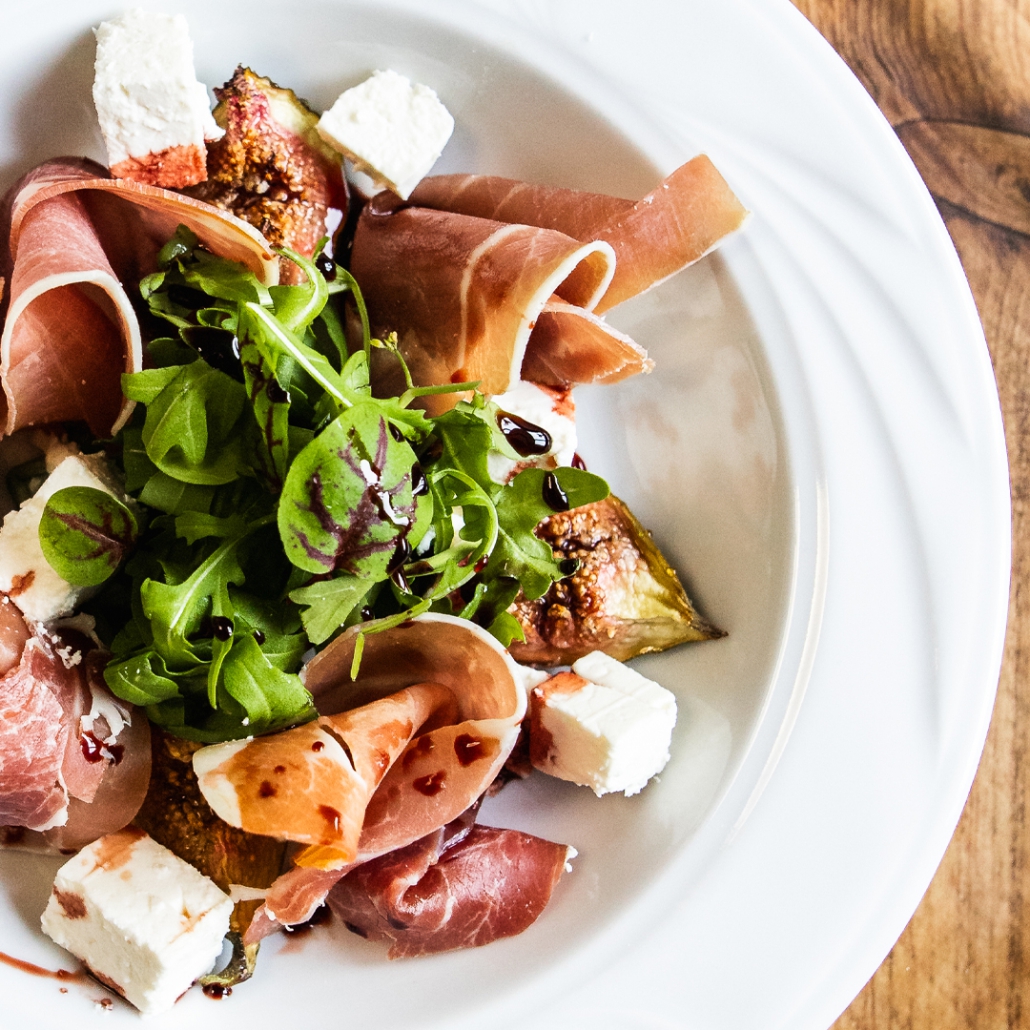
Easter Entertaining Made Easy: Catering Options for Family Gatherings and Bank Holiday Weekends
Easter weekend is brilliant for getting everyone together, but it can be one of the trickiest weekends to host. You’re often juggling different arrival times, a house full of people, mixed appetites, and the expectation of a meal that feels a bit special. This year, the Easter bank holiday weekend in England and Wales falls on Good Friday (3 April 2026) and Easter Monday (6 April 2026), with Easter Sunday on 5 April.
When we’re supporting Easter gatherings, the goal is always the same: make the food feel generous and seasonal, without turning the host into a stressed kitchen manager. If you’re considering help with food for a home gathering or a hired venue, these ideas are based on what we see work best across our event catering in spring.
Why Does Easter Catering Feel Harder Than Other Weekends?
Easter isn’t just a “sit down at 2pm” kind of day. Most family gatherings stretch across the afternoon, with people eating in waves. Children want food earlier, some guests arrive late because they’ve been to see other family, and there’s often a mix of grazing, tea-time nibbles and a main meal that still needs decent timing.
It’s also a weekend where kitchen pressure ramps up quickly. Oven space becomes a bottleneck, especially if you’re trying to do a traditional roast alongside veggie options and sides. Add in the washing up, serving dishes, and the reality that you want to be present with your guests, and it’s easy for the day to become more work than enjoyment.
This is why we usually recommend planning Easter catering around flow, not just the menu. Think about how people will move around the space, how the food will be served over time, and what can be offered without constant last-minute cooking.
What Catering Formats Work Best for Easter Weekends?
For Easter weekend, the most successful setups tend to be the ones that give you flexibility. That usually means food that can be served in stages, that doesn’t rely on precise timing, and that still feels like a proper spread.
A few formats that work particularly well:
- Sharing-style food that can sit on the table and be topped up, rather than plated one portion at a time.
- Buffet-style options that allow guests to help themselves as they arrive, especially if your gathering isn’t starting at one set time.
- A mix of hot and cold dishes, so you’re not dependent on the oven for everything.
- Food that holds well and stays appealing even if people eat over a longer window.
If you’re planning any kind of spring get together beyond Easter, our guide to planning spring event catering explains how we approach menus and service styles when the season is changing and the weather is unpredictable.
Seasonality matters at Easter too. April is a great month for produce like asparagus, rhubarb and spring greens, which naturally suit lighter, fresher menus without losing that comforting feel people want in early spring.
How Do You Plan an Easter Menu That Suits Everyone?
Easter gatherings often bring together guests who don’t usually eat together, which is why menu planning needs to be practical. The easiest way to keep everyone happy is to build a menu with variety that feels natural, rather than creating separate “special meals”.
We recommend thinking about the guest mix in three ways:
1) Ages and appetites
Kids and older guests often prefer familiar flavours, while others might enjoy something a bit more adventurous. A good Easter spread usually includes a few safe options alongside seasonal dishes.
2) Dietary needs and preferences
Vegetarian, vegan, gluten-free and dairy-free requirements are common at family gatherings. Planning around them early means you can make choices that work for multiple people at once, rather than scrambling for substitutes the day before. If you want a practical approach to this, our post on catering for mixed dietary needs without complicating your event is designed to help hosts avoid the “five different meals” situation.
3) The shape of the day
If people will be there for hours, plan food in phases. A lighter start (nibbles or grazing), a more substantial main element, and something sweet later on works better than trying to make one single meal carry the whole afternoon.
What Practical Details Should You Sort Early for Easter Catering?
Easter catering goes smoothly when a few practical details are agreed upfront. We always encourage hosts to think about these early, even if the menu isn’t final yet:
- Guest numbers (even as a range): it helps plan quantities, serving style and timing.
- Timing: is it a single meal, or an all-afternoon gathering with food coming out gradually?
- Serving space: where will food sit, and will guests queue or circulate?
- Kitchen access: do you want everything delivered ready to serve, or do you have space to finish anything on site?
- Equipment: platters, serving spoons, hot holding, and where empty plates will go.
- Clear down: who is responsible, and when?
If you’re new to booking catering, it’s worth running through these questions to ask your caterer before booking. It covers the details that often get missed, like what’s included, how service works, and what you need to prepare at the venue.
And if you’ve got your date and a rough idea of numbers, the quickest way to take the stress out of planning is simply to talk it through. You can get in touch with us and share the basics, and we’ll help shape the best approach for your space and guest list.
What If Easter Is Part of a Bigger Spring Events Plan?
April is also when a lot of people start firming up plans for the rest of spring and early summer. We often see Easter gatherings used as a “trial run” for bigger celebrations, or as a weekend where family get together and start discussing upcoming events.
If you’re planning a celebration later in the season, it can help to explore how catering differs depending on the type of event. For personal celebrations, our wedding and private event catering page gives a clearer sense of the formats we offer and how we tailor menus around the day. If you’re organising something through work, our corporate and office catering options covers the styles that work best for meetings, team socials and business events.
A Calmer Way to Host Easter
Easter food should feel generous, seasonal and easy to enjoy, not like a logistical puzzle. With the right format, a bit of planning around timing and space, and a menu that naturally suits a mixed group, you can host a day that feels relaxed while still serving something memorable. The best Easter gatherings are the ones where the host spends more time at the table than at the cooker, and that starts with making catering choices that fit how the day will actually unfold.


Leave a Reply
Want to join the discussion?Feel free to contribute!