
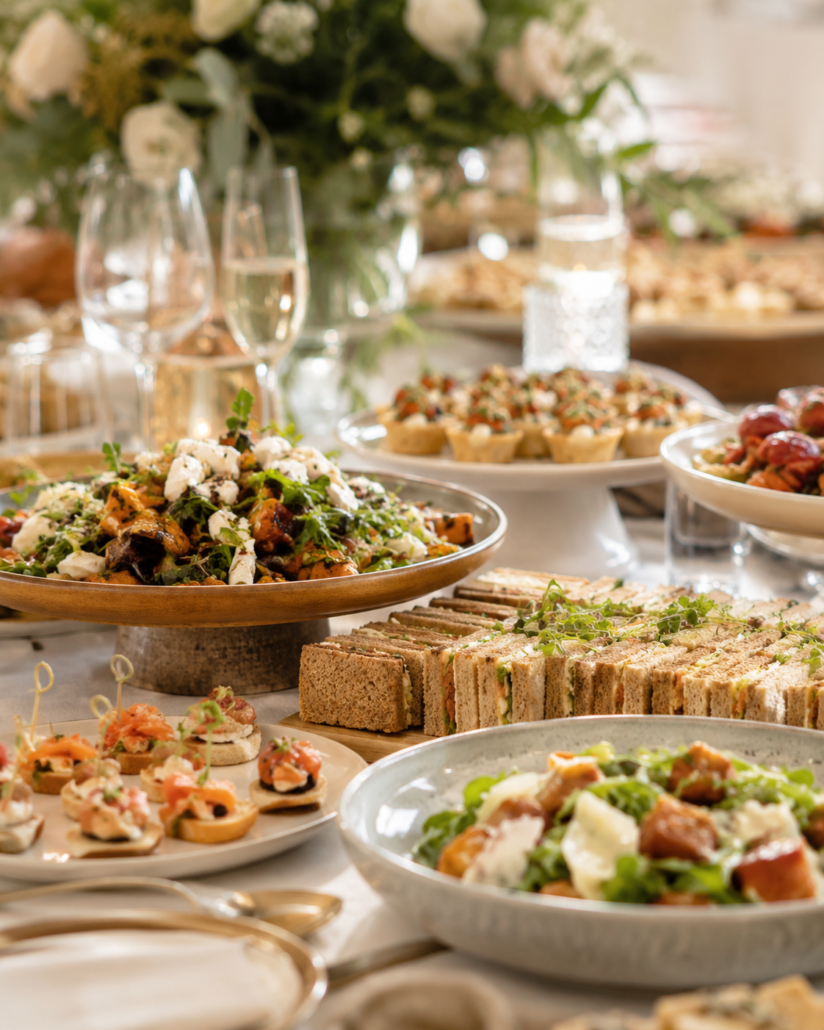
How Much Food Do You Actually Need? A Practical Guide to Catering Quantities for Events
If you’ve ever hosted an event, you’ll know the two big worries are always the same: running out of food, or ending up with far too much. In reality, working out quantities isn’t guesswork, but it also isn’t as simple as “number of guests x one portion”. Timing, service style, guest mix and dietary requirements all make a difference.
We plan quantities every week for weddings, private celebrations and corporate events, and the best results come from matching the food to how people will actually eat on the day. If you’re at the early planning stage, our catering services page gives you a feel for the kinds of formats we provide, and our guide on planning an event and getting catering right is a useful starting point if you’re building out the bigger picture.Why Guest Numbers Alone Don’t Tell You How Much Food You Need
Guest numbers matter, but they’re only one part of the calculation. Before we even talk portions, we look at:
- How long the event runs (two hours is very different from “all afternoon”)
- Time of day (a lunchtime event tends to be more meal-led than a mid-afternoon gathering)
- Whether alcohol is involved (people usually snack more, and they snack differently)
- Guest mix (children, teenagers, older guests, mixed appetites)
- How people will move around the space (seated vs standing, indoors vs indoors and outdoors)
This is why two events with the same headcount can need very different quantities. A corporate lunch with a clear start and finish generally needs more defined portions. A relaxed celebration where people arrive in waves often works better with food served in phases, with lighter options at the start and something more substantial later.
How Catering Style Changes Portion Planning
The service style changes how people eat, which changes how you plan quantities.
Canapés
Canapés are brilliant for receptions and networking, but they only work as a “main food plan” if there’s enough substance and the pacing is right. As a broad rule of thumb, some UK caterers suggest around 4 canapés per person per hour for pre-dinner drinks, or closer to 6 per person per hour if it’s more of a drinks party.
In practice, we’ll adjust based on how long the reception runs, whether a meal follows, and how hungry guests are likely to be. It’s also important to include some more filling bites so it doesn’t feel like people are eating air.
Buffets
Buffets create choice, which guests love, but they also lead to bigger portions because people serve themselves. The mistake we see most often is too much variety and not enough of the filling items. A buffet works best when there’s a clear “substantial core” (the dishes most people will build a plate around) supported by sides, salads and lighter options. Layout matters too, because queues can shape how much people take and whether certain dishes disappear early.
Buffet planning also includes food safety logistics. For hot buffet items, Food Standards Agency guidance is clear that hot food should be kept at 63°C or above, with limited exceptions.
Sharing platters
Sharing food sits somewhere between a buffet and plated service. It can feel generous and sociable, but portions need planning at table level. One table taking extra of a popular dish can leave another table short if the menu hasn’t been balanced. Sharing works best when platters are built around sensible table sizes, and when there’s enough of the key items that people don’t feel they have to compete for them.
Plated meals
Plated meals give the most control over portioning, which reduces waste and makes quantities easier to predict. The trade-off is that timings and dietary information need to be accurate, because you’re committing to specific plates rather than flexible self-serve. For weddings and formal events, plated service works well when the schedule supports it and the venue setup allows smooth service.
If you’re still deciding between formats, our post on choosing the right catering style for your event (buffet, sharing, canapés or plated) can help you match the service to your venue and guest flow.
Planning Quantities for Weddings, Private Parties and Corporate Events
The type of event affects appetite and pacing just as much as the menu.
Weddings and private celebrations
Weddings are often long, with natural gaps between key moments. That usually means food is best planned in stages, even if there’s a seated meal. People can be on their feet for hours, and the “food moments” help keep energy up and the atmosphere relaxed. If you’re planning a personal celebration, our wedding and private event catering page shows the kinds of formats we deliver and how we tailor them.
Corporate events
Corporate events tend to have shorter food windows and clearer schedules. Networking-style events often need food that can be eaten easily while standing, without creating mess or forcing people to sit down. Lunch meetings tend to suit simpler, more predictable portioning. Our corporate and office catering page covers the formats we use most for workplaces, from meeting food to larger events.
Family gatherings and long afternoons
For events that run over several hours, the best approach is usually phased food: a lighter start, a main spread, and something sweet later on. This is one of the reasons Easter and bank holiday gatherings can feel tricky. If you’re planning a long family get together, our Easter entertaining catering guide explains how we plan food for events where people eat across the day rather than in one sitting.
How Dietary Requirements Affect Catering Quantities
Dietary planning is one of the most common reasons hosts either under-cater or over-cater.
The key is to treat vegetarian and vegan options as part of the main menu, not as a token add-on. At many events, those dishes get chosen by guests who aren’t vegetarian as well, especially if they’re fresh and seasonal. Gluten-free and dairy-free planning also affects quantities, because if there are limited suitable options, those dishes can disappear quickly.
The biggest mistake is providing one “special” dish for everyone with dietary needs and assuming that will cover it. Inclusive planning means spreading suitable options across the menu so everyone has enough to eat without creating separate meals. Our guide to catering for mixed dietary needs without complicating your event goes into the practical side of that in more detail.
Common Mistakes That Lead to Waste or Shortages
A few patterns come up again and again:
- Too many options, not enough substance (lots of sides, not enough main “plate builders”)
- Assuming canapés will fill everyone up when there’s no meal afterwards
- Not accounting for alcohol (people snack more, and earlier)
- Forgetting event length (food that works for two hours won’t necessarily last all afternoon)
- Underestimating how popular vegetarian options can be
- Leaving dietary planning too late, which can lead to over-ordering “just in case”
There’s also a practical point about chilled food at events. Food safety guidance in the UK includes keeping chilled foods below 8°C (and ideally your fridge between 0 and 5°C), and minimising time food spends at room temperature.
For hosted events, this is one reason we plan service timing carefully rather than leaving everything out for long periods.
What to Ask Your Caterer About Portions and Planning
If you’re comparing options, the best thing you can do is ask how your caterer actually plans quantities. We’ve pulled together a practical checklist of questions to ask your caterer before booking, but portion planning is usually clearer when you ask:
- Is the food designed to be a full meal, or lighter supporting food?
- How is replenishment handled, and what happens if an item runs low?
- How are dietary numbers confirmed and catered for across the menu?
- What does the caterer need from the venue (space, access, equipment)?
- How will the serving style work with guest flow?
If you want a steer on quantities for your specific event, the quickest way is to talk through your venue, timings and guest list. You can get in touch with us with the basics, and we’ll recommend a format and plan that keeps the spread generous while keeping waste sensible.


Leave a Reply
Want to join the discussion?Feel free to contribute!