
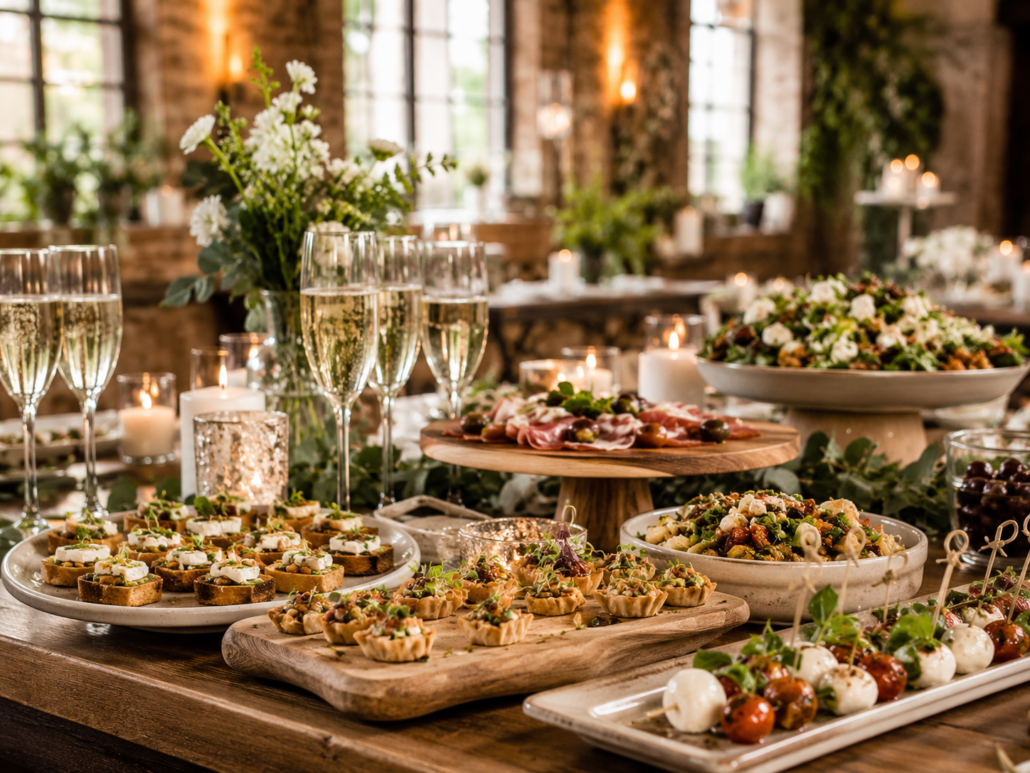
What Your Caterer Needs to Know About Your Venue Before the Event
When people start planning catering, the first questions are usually about the menu, guest numbers and dietary requirements. All of those details matter, but the venue itself can have just as much influence on how the catering works on the day.
Access, facilities, layout, timings and venue rules can all affect how food is prepared, served and cleared. Whether you are planning a wedding, a private celebration or a business event, sharing the right venue information early helps your caterer build a practical plan around the space you have chosen.
At Hey Pesto Catering, we do not look at the menu in isolation. We think about how the food will fit into the event as a whole, from arrival and setup through to service and clearing.
Start With Access, Parking and Setup
One of the first things your caterer needs to understand is how easy it will be to access the venue. This may sound basic, but it can make a big difference to how smoothly everything starts.
Catering often involves more than trays of food. Depending on the event, there may be serving equipment, display items, drinks, tableware and clearing materials to bring in. If the unloading area is a long walk from the preparation space, or if there are steps, narrow paths or limited parking, this needs to be planned for in advance.
For a wedding at a rural venue, access may involve gravel drives, shared supplier entrances or specific unloading times. For a private garden party, we may need to understand where vehicles can stop without blocking guests or neighbours. For office catering, lift access and building security can be just as important as the room where the food will be served.
If you are still in the early stages, our guide to planning the catering alongside the rest of your event gives a useful overview of the wider details to think about before everything is confirmed.
Check Kitchen Facilities, Power and Water
Not every venue has the same catering facilities. Some have a full working kitchen, while others may offer only a small preparation area. Village halls, marquees, private homes and temporary event spaces can all vary widely.
Your caterer may need to know whether there is running water, usable worktop space, refrigeration, power sockets, ovens, sinks or any equipment already available on site. It is also useful to know where these facilities are located in relation to the area where guests will be served.
This does not mean every venue needs to have a commercial kitchen. It simply means the caterer needs a clear picture of the space so they can advise what is realistic and plan the best approach.
Outdoor events often need extra thought. If food is being served in a garden, marquee or courtyard, the catering area may still need to be sheltered, practical and close enough to the guests to keep service efficient.
These details are especially useful when planning catering for weddings and private celebrations, where the chosen setting is often part of what makes the occasion feel personal.
Plan the Guest Flow Around the Food
Venue layout affects how guests move, gather and eat. A beautiful space can still cause issues if the food area is difficult to reach or if guests have to queue in a narrow part of the room.
Before the event, it helps to think about where guests will arrive, where they will be offered drinks, where they will sit or stand, and how they will move towards the food. If there is a buffet, sharing table or canapé service, the layout should allow people to access the food comfortably without blocking entrances, walkways or seating areas.
At a wedding or private party, this might mean placing food where guests can circulate naturally during a drinks reception. At a corporate event, it may mean keeping lunch close enough to the meeting space so people do not lose time moving between rooms.
Our corporate and office catering can be planned around meetings, team days, presentations and business events, but the layout of the office or venue will always influence the best way to serve the food.
The aim is to make the catering feel like part of the event, rather than something guests have to work around.
Think About Weather, Outdoor Space and Backup Plans
Outdoor catering can work beautifully, but it needs a sensible backup plan. British weather is not always predictable, and even a warm day can bring wind, rain or sudden changes in temperature.
If you are planning food outside, your caterer will need to know whether there is a marquee, covered area or indoor space available if the weather changes. It is also useful to understand where food will be prepared or displayed, how far that area is from the kitchen or preparation space, and whether guests will be seated, standing or moving between indoor and outdoor areas.
For garden parties, summer weddings or corporate outdoor events, the backup plan does not have to be complicated. What matters is that it has been agreed before the event day.
If the event includes BBQ-style catering, drinks outside or food served in a marquee, your caterer can help you think through what is practical for the space. The earlier these details are discussed, the easier it is to adapt the plan without compromising the guest experience.
Share Venue Rules and Restrictions Early
Many venues have their own rules, and these can affect the catering more than people realise.
Common details include supplier access times, finish times, waste disposal, cleaning expectations, alcohol arrangements and areas that suppliers can or cannot use. Some venues may also have restrictions around candles, open flames, music, noise levels or when rooms can be set up.
These rules are not usually a problem when they are known in advance. They only become difficult when they appear late in the planning process or on the day itself.
If your venue has supplied an information pack or supplier guidance, pass this on to your caterer as early as possible. It is also worth clarifying who is responsible for clearing certain items, where waste should go and who will be available at the venue if a decision needs to be made during the event.
If you are still comparing suppliers, our guide to the questions worth asking before booking can help you approach those early conversations with more confidence.
Bring the Venue, Caterer and Organiser Into the Same Conversation
A well-planned catered event usually depends on clear communication between the organiser, venue and caterer. Everyone does not need to be involved in every small decision, but they do need to be working from the same practical information.
Before the event, it is helpful to confirm the access arrangements, setup time, facilities, guest numbers, food service areas, clearing expectations and the person responsible for decisions on the day. If the schedule changes, make sure the caterer and venue both receive the latest version.
This is particularly important when several suppliers are involved. Photographers, entertainers, florists, venue staff and caterers may all need access to the same spaces at different times.
When we talk through an event with you, we are not only thinking about what will be served. We are also thinking about how the food will be prepared, presented and enjoyed in the venue you have chosen.
If you are planning a wedding, private celebration or corporate event in Gloucestershire and would like to talk through the practical details, you can contact our catering team and we will be happy to discuss your plans.


Leave a Reply
Want to join the discussion?Feel free to contribute!